

Pea protein
- Purpose
- Our plant-protein base, selected in an acid-stable, instantized form for a fruit-style drink.
- Research highlights
- Plant protein with promising research around training. Human studies examine muscle protein synthesis after exercise, strength adaptations over repeated training and recovery-related markers.
- Origin
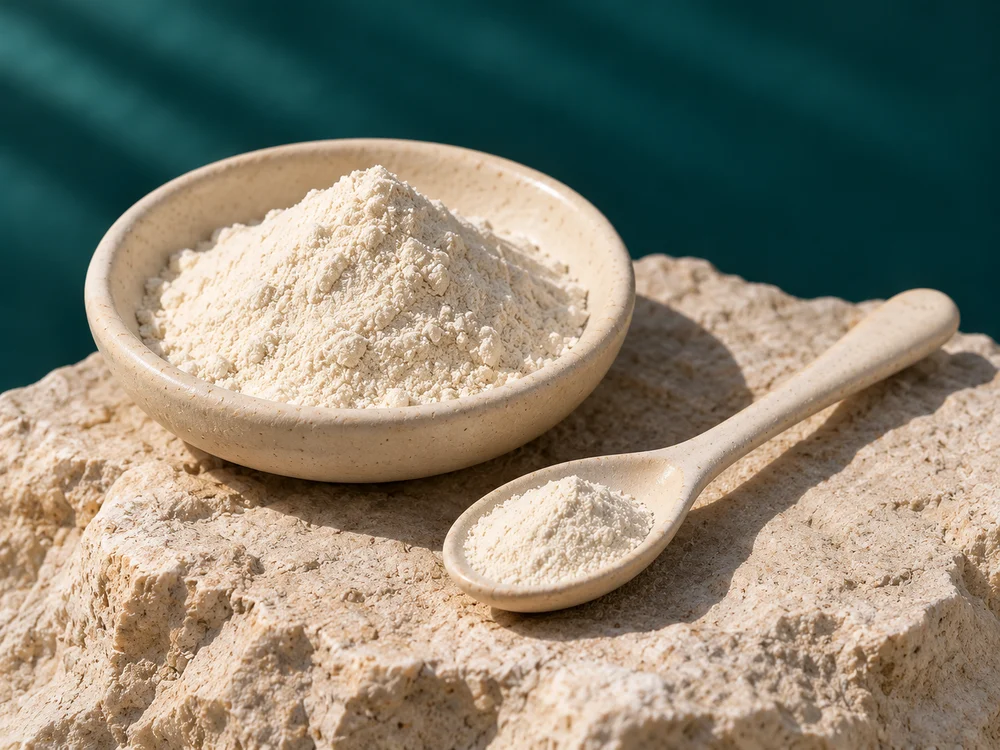
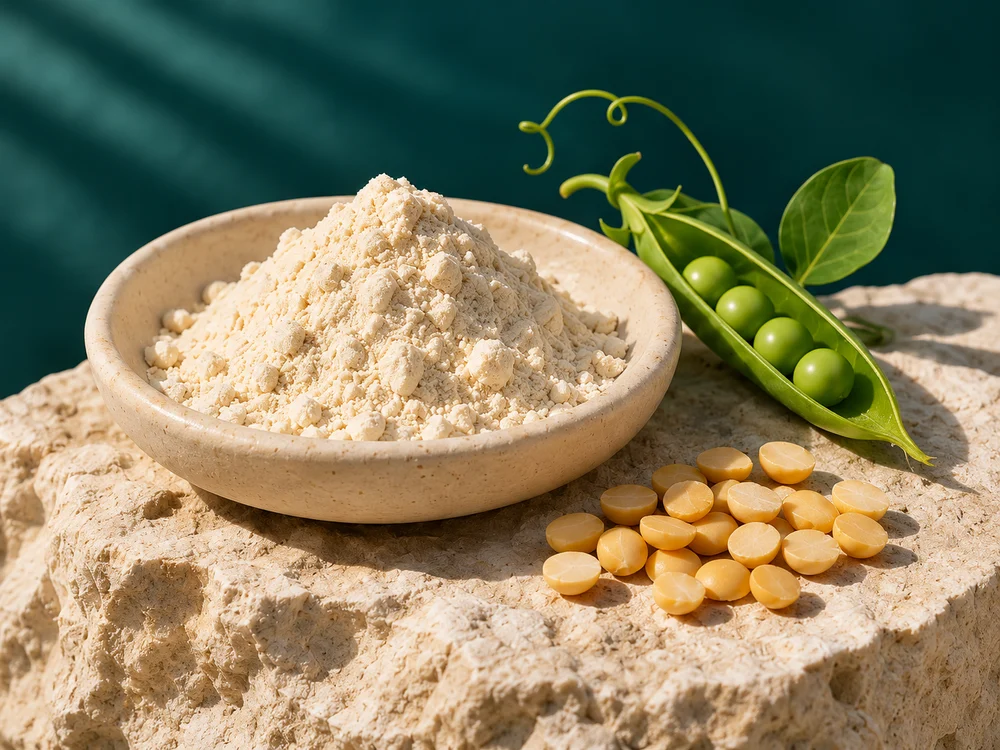
- Made from peas by separating and concentrating their protein. Plant-derived does not mean unprocessed.
Selected research 5 papers
Human training study — pea protein
Efficacy of Pea Protein Supplementation in Combination with a Resistance Training Program on Muscle Performance in a Sedentary Adult Population: A Randomized, Comparator-Controlled, Parallel Clinical Trial (opens in a new tab)During 84 days of resistance training, sedentary adults taking pea protein gained strength, with changes comparable to the whey group. The trial studied repeated supplementation alongside training.
Human post-exercise mechanism study — pea protein
Ingestion of mycoprotein, pea protein, and their blend support comparable postexercise myofibrillar protein synthesis rates in resistance-trained individuals (opens in a new tab)In 33 resistance-trained adults, post-exercise pea protein supported increased muscle protein synthesis, comparable to mycoprotein and a pea–mycoprotein blend. This measures muscle-building physiology after exercise.
Human post-exercise mechanism study — pea protein
Influence of protein source (cricket, pea, whey) on amino acid bioavailability and activation of the mTORC1 signaling pathway after resistance exercise in healthy young males (opens in a new tab)A post-exercise trial in 50 young men examined amino-acid availability and muscle-growth signalling after pea, whey or cricket protein. It provides mechanistic context for pea protein around resistance training.
Review — pea protein and exercise
Pea-Derived Protein Supplementation in Sports and Exercise Nutrition: A Narrative Review of Muscle Protein Synthesis and Training Adaptations (opens in a new tab)This review finds promising evidence for pea protein in muscle protein synthesis and adaptations during resistance training. It examines isolated pea protein separately from protein blends.
Human exercise-recovery biomarker trial — pea protein
Comparison of the effects of pea protein and whey protein on the metabolic profile of soccer athletes: a randomized, double-blind, crossover trial (opens in a new tab)In 12 young soccer players, pea protein was associated with lower post-match creatine kinase and lactate than whey. The study assessed recovery-related blood markers rather than gym strength.